

This is the 12th instalment in Sophie Baker’s ‘What I wish I had known…’ series, where she reflects on her approach to practice when she started out – and what she would tell her younger self now.
I still remember sitting in my car as a newly qualified social worker, listening to Radio 4 discuss Lord Laming’s inquiry into the death of Victoria Climbié.
I was already feeling stretched thin and many of the recommendations on improving child protection made it sound as though individual social workers were to blame. It made me anxious that I might miss something vital, just like I had been told those workers had.
The recent death of Sara Sharif brought those feelings back.
Even with child safeguarding practice reviews now being more focused on organisational and systemic factors, alongside professional practice and multi-agency working, the recent report reminded me how exposed practice can feel after such a tragedy hits the headlines.
This is what I wish I had understood about working in the aftermath of a high-profile child death.
Decision making is shared
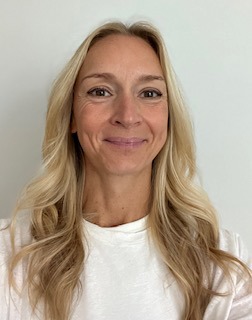 Sophie Baker has over 20 years of experience working in children's social care
The death of a child is almost never down to one social worker.
For a time following the publication of a safeguarding practice review on a child’s death, I’d find myself feeling anxious.
I remember asking myself whether something like that could happen on my watch. Would I be the next social worker named in the media, criticised and belittled? What if I missed a warning sign and a child was left at risk?
These worries made me alert, more self-conscious and more aware of the consequences of making a wrong decision.
Safeguarding is a joint responsibility between parents/carers and the practitioners working with them. But the ultimate responsibility lies with primary carers. Professionals' decisions do play a part, but they are rarely the whole story.
Tragedies such as the failures to protect Sara Sharif, Victoria Climbié and Peter Connelly usually come from a tangle of circumstances, unmet needs and wider system gaps, not a single mistake by one practitioner.
Understanding this complexity earlier would have helped me see that the welfare of children didn’t sit on my shoulders alone, reducing some of the pressure I put on myself.
Breaking down feelings in supervision
Supervision was invaluable in helping me unpack feelings of worry and anxiety about the children I was working with in the aftermath of high-profile deaths.
Understanding how my feelings could affect my practice kept me from being driven by panic. I was encouraged to accept that safe uncertainty is a core part of social work and I was not alone in my responsibility to protect children.
Experience has taught me social workers will never know everything about a child or family. But with reflective supervision, we can be supported to approach each situation with calmness, balance, curiosity and reflection.
Through supervision, I was reminded that safeguarding practice reviews are undertaken to understand what happened and what improvements can be made to better protect children in the future. They are not for singling out and blaming social workers.
Responding to parental anger
In the weeks following high-profile child deaths, I have often found parents wanting to discuss them, with many being angry and assuming that the social workers involved had known about the abuse and failed to act.
At times, hostility towards me increased, with comments like: "You lot should have protected that child, not be interfering in my family." The complexity of the situation was often lost as parents absorbed the media’s version of events, fuelling their mistrust of the profession.
Initially, these comments made me defensive of a profession I cared deeply about. I found myself wanting to explain the pressures and limits of the system and the reality of social work decision making.
But I came to see that much of their anger was actually rooted in fear: fear that something could happen to their own child, fear of being misjudged and fear that professionals could not be trusted to make safe decisions for their children.
Staying calm and acknowledging their feelings helped. Simple responses like, "I can see how angry and worried this has made you," or, "It makes sense that you want reassurance about the work I am doing with your family," often shifted the tone.
Being open and transparent also helped parents feel heard and understood and reduced some of the tension.
How bias affects practice
There is a real risk that bias can influence our practice in the days following a child death.
It is easy to be unconsciously looking for risks that resemble those in the case in question, which may lead to disproportionate assessments or social workers clinging on to initial hypotheses and looking only for evidence that confirms your concerns.
High-profile cases, such was those of Victoria or Peter, can bring a spike in unnecessary strategy discussions and an increased reliance on legal advice without this necessarily improving outcomes for the child. If we let fear and bias drive our practice, we may default to wanting to provide unnecessary interventions and punitive responses.
By seeking supervision earlier to help me pause and reflect, I could have better acknowledged the power of bias and how it might be impacting on my ability to face the uncertainties that come with working with children and families.
Handling multi-agency meetings
Looking back, these cases also shaped how I worked with other agencies.
Following the Climbié case, I found myself giving more weight to the voices that felt more senior or more confident, especially in meetings. Without realising it, I was leaning on other people’s certainty to calm my own uncertainty.
Supervision helped me examine how the aftermath of a child death was influencing my confidence in the way I worked alongside others.
Even when I started addressing the issue, I worried that people would think I was speaking out of turn or overstepping the mark, especially as a newly qualified worker.
But over time, I learned techniques on how best to challenge moments like these in meetings by naming what I was noticing in a non-confrontational way. Approaching things with openness and genuine curiosity usually landed really well.
Acknowledge how you feel
Learning from high-profile child deaths can make practice feel exposed and bring up internal pressure and anxiety to get it right for children.
It is so important to remember that safeguarding practice reviews are there to guide learning and improvement rather than apportion blame.
Even nowadays, I remind myself that the feelings they bring up, while uncomfortable, reflect how deeply I care about keeping children safe.
By staying grounded, using supervision and understanding the power of bias, we can keep the focus on children’s safety and wellbeing, even in the chaos following a high-profile case.
Celebrate those who've inspired you

Do you have a colleague, mentor, or social work figure you can't help but gush about?
Our My Brilliant Colleague series invites you to celebrate anyone within social work who has inspired you – whether current or former colleagues, managers, students, lecturers, mentors or prominent past or present sector figures whom you have admired from afar.
Nominate your colleague or social work inspiration by filling in our nominations form with a few paragraphs (100-250 words) explaining how and why the person has inspired you.
*Please note that, despite the need to provide your name and role, you or the nominee can be anonymous in the published entry*
If you have any questions, email our community journalist, Anastasia Koutsounia, at anastasia.koutsounia@markallengroup.com