


Ofsted criticisms of "profiteering" in the children's homes sector has prompted a counterblast from the main organisation representing providers.
The regulator said that the rapid growth in the number of homes and their concentration in cheaper areas suggested decisions were being driven by profit rather than children's needs, in its annual report, published yesterday.
As a result, homes were being sited in areas where they weren't needed, leaving "deserts" elsewhere and councils struggling to find places for children and reliant on unregistered homes, it added.
Some homes 'profiteering on backs of children'
"As a society we should stand against profiteering on the backs of vulnerable children," said Ofsted chief inspector Martyn Oliver.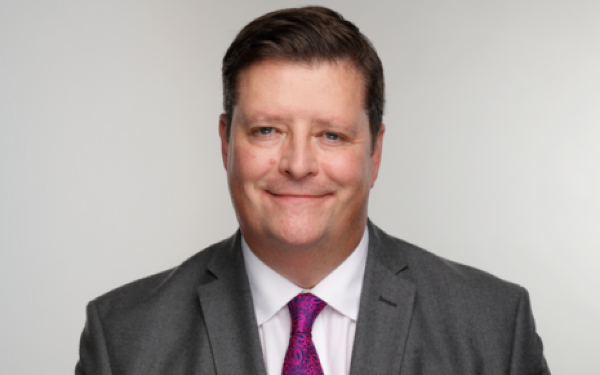
"That goes as much for small operators that simply aren’t equipped to run a children’s home, but think it’s easy money, as it does for the multinational investment groups looking for a good return on their capital."
However, in response, the Children's Homes Association (CHA) accused the regulator of deploying "political rhetoric" that underplayed the roles of a "long-term neglect" of residential care by the government and delays in Ofsted registering services in generating the "crisis" in the sector.
The row comes after children's minister Josh MacAlister signalled that the government was minded to implement a cap on the profits of social care providers that has been devised as a "backstop" should other measures designed to reduce profiteering in the sector fail to have the desired effects.
Decline in fostering amid rise in children's home numbers
MacAlister has also said too many children are being placed inappropriately in residential care, which he is looking to counter by a huge fostering recruitment drive, reversing the decline in the number of mainstream carers seen in recent years.That decline stands in stark contrast to the 66% rise in the number of mainstream registered children's homes from 2020-25, with a 15% increase in 2024-25 alone.
The North West’s share of homes rose from 25% to 26% in 2024-25, while it also accounts for 22% of registered places, well above its 18% share of England’s population of looked-after children.
The region also saw the largest rise in the numbers of both registered places and homes, reflecting trends seen in previous years. The East Midlands also has an outsized share of homes (12%) and places (11%), compared with looked-after children (8%).
'Homes being created where they aren't needed'
Picking up on these trends in Ofsted's annual report, chief inspector Martyn Oliver said the concentration of homes in cheaper areas "suggests a strong profit motive in the market"."Being motivated by profits, rather than the needs of children, bends the system out of shape," he added. "It leads to homes being created where they aren’t needed and it can tempt operators who are not properly prepared to run a children’s home to move into the sector."
Oliver linked this to there being "regional deserts" in the sector and to councils struggling to find homes for children - particularly those with complex needs - forcing them to use unregistered services, which are illegal to operate.
Unregistered homes 'charging exorbitant fees'
Ofsted identified 680 unregistered children's homes following investigations into potential cases in 2024-25, down from 931 in 2023-24, but similar to the 2022-23 figure and well above numbers recorded by the regulator in previous years.Oliver said that nearly nine in ten authorities told Ofsted they had placed children in unregistered homes because they could not find places in registered services that could meet children's needs.
He warned that unregistered services often charged councils "exorbitant fees" and that authorities were struggling to keep pace with the "spiralling costs" of care. The report pointed to the fact that council spending on looked-after children rose by 108% from 2015-16 (£3.9bn) to 2023-24 (£8.1bn), during which time prices generally increased by 33%.
'Children's homes crisis built in Whitehall'
In response to the report, the CHA acknowledged that there were "serious problems with the location, affordability and suitability of homes in England", but said this "crisis" had been "built in Whitehall, not in children’s homes".It said providers could only open homes in places where they were granted planning permission, where councils indicated they would place children and where services could be registered by Ofsted.
"For over a decade, residential care has been left without a national residential strategy, treated as an afterthought compared with fostering and adoption, squeezed by short-term funding pots and hampered by planning and registration delays."
Waits of up to 18 months to register homes
In relation to the latter, the CHA pointed to the fact that Ofsted was taking up to 18 months to register some homes, which the regulator has said is down to unexpectedly high levels of applications.In response to the demand, Ofsted is prioritising applications for homes designed to tackle local shortages in provision, as well as to provide emergency placements for particular children. However, these cases account for just 15% of applications, Oliver told the National Children and Adult Services Conference last week.
The CHA also took aim at Ofsted's references to providers putting profits above children's needs, warning that this "crosses a line from measured analysis into political rhetoric".
Children's homes body seeks meeting with Ofsted
It said many services were "small, practitioner-run homes on modest margins", which it suggested tended to reinvest their profits.It contrasted these with providers owned offshore or by private equity, where companies are bought out by investment firms using funds backed by high levels of debt, which must then be serviced through profits.
The association said it was seeking a meeting with Oliver to discuss the evidence behind the regulator's claims in its annual report and "how Ofsted can use its influence to force government into a genuine national plan, rather than simply criticising the symptoms of that failure".
Opposition to profit cap
The CHA also reiterated its opposition to the government's proposed profit cap, on the grounds that it would "deter responsible investment while leaving the most problematic ownership structures largely untouched".In recent evidence to parliament's public accounts committee, the association said that large private equity-owned providers had the legal and accounting capacity to keep their profits technically within any cap while extracting cash from the sector elsewhere.
However, small and medium sized providers based in the UK would struggle to do this, meaning their "already thin" profit margins would get squeezed, the CHA added.
The Department for Education will implement the cap if other policies - including a new DfE-run financial oversight regime for those providers that would be hardest to replace - failed to tackle "profiteering".
'Costs and risks increasing day by day' - ADCS
In its response to the report, the Association of Directors of Children's Services highlighted the risks to children's care provision from the debt carried by private equity-backed providers.“As this latest annual report highlights, local authorities can pay thousands of pounds a week for individual placements for children in their care while providers can choose which children to accept and at what cost due to high demand," said ADCS president Rachael Wardell.
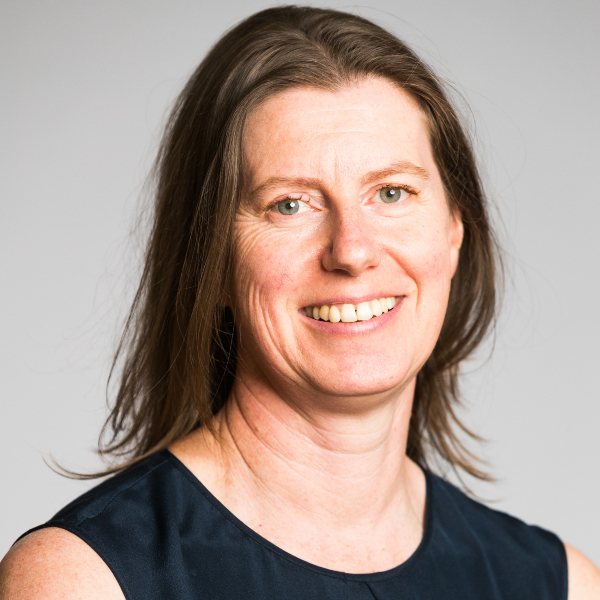
"We urgently need government to develop a comprehensive national placements strategy so that the right homes are available when and where they're needed."
“Children's services have long operated in a mixed economy with private, voluntary and community providers involved in the delivery of services locally. However, some of the largest private equity backed providers, are simultaneously carrying high levels of debt whilst profiteering on the back of the work we do to support children and young people. This is simply not acceptable.
“Should any of these providers fail, no single local authority could step in, and it would be children who suffer the greatest consequences. There are some measures in the new Children’s Wellbeing and Schools Bill which will address some of these challenges but with each day that passes, costs and risks increase.”