


Inspectors are to probe the quality of practice in relation to child sexual abuse in the family environment following concerns over an "alarming decrease" in the number of child protection plans (CPPs) for CSA.
The joint targeted area inspections (JTAIs) this autumn will examine how agencies identify and respond to children at risk of, or experiencing, sexual abuse, as well as actions they take to prevent this type of harm, within the family.
The JTAIs are part of the government's response to Baroness (Louise) Casey's audit of group-based child sexual exploitation and CSA, in which she called on ministers to "urgently interrogate" the falls in the number of child in need assessments identifying sexual abuse and CPPs for this type of harm.
30-year low in number of child protection plans
The latter reached a 30-year low in 2023-24, when just 2,160 children were placed on CPPs for sexual abuse, down 5.8% on the year before, found an analysis by the Centre of expertise on child sexual abuse (CSA Centre) published this year.It said that an “alarming decrease” in the identification of CSA by child protection practitioners had left no or very few children on CPPs for the abuse type in the majority of areas.
The CSA Centre's analysis followed its significant criticisms of the quality of CSA practice in a 2024 review for the Child Safeguarding Practice Review Panel.
Experts' criticisms of child sexual abuse practice
This found that practitioners overly relied on children verbally reporting abuse, too often did not believe children when they disclosed, insufficiently understood the signs of CSA and carried out assessments that lacked analysis.The latest JTAIs, carried out by Ofsted, the Care Quality Commission and the police and probation inspectorates, come six years after a previous set of inspections, which found similar failings to those identified by the CSA Centre for the national panel.
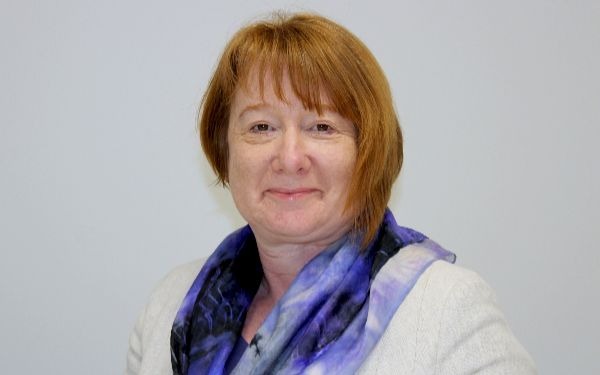
Announcing the latest JTAIs, Ofsted's national director for social care, Yvette Stanley said: "Since the publication of our previous report, data is showing a decline in the prevalence of children on child protection plans for child sexual abuse and the absence of justice for victims remains a concern.
"Considering this, and given growing concerns around child-on-child and online child sexual abuse, it is the right time to revisit this issue in our upcoming JTAI."
What inspectors are looking for
The inspections will evaluate multi-agency partnerships against 20 criteria, including:- Agencies work together to identify children who are at risk of, or are victims of, child sexual abuse in the family environment. They recognise the signs and indicators, and the impact of child sexual abuse, intervene to reduce risk and provide support for children; they monitor effectively the impact of interventions so that needs are met and risk is reduced.
- Professionals understand the importance of building trusting relationships with children...Active steps are taken to communicate with children, including those with disabilities and/or communication needs, to hear their views and understand their needs and experiences.
- Assessments demonstrate a comprehensive understanding of the risks to children, their needs, experiences and strengths. Their views are clearly recorded and central to a multi-agency response. Assessments are timely, include contributions from all relevant agencies and consider all forms of abuse, including child sexual abuse in the family environment and any associated risks online.
- Children can access a range of effective services, including therapeutic help, that are timely and well-coordinated. Where children are displaying harmful sexual behaviour, steps are taken to avoid unnecessary criminalisation of children and multi-agency responses address all their needs and reduce risks.
- Professionals and support staff across agencies are well trained and supported, including receiving support with the emotional impact of working with child sexual abuse in the family environment.... They are aware of the importance of avoiding victim-blaming language and approaches, as well as the impact of personal and institutional bias.
- Achieving best evidence interviews are timely and well managed. The role of the social worker in the investigation process is clear in the planning and is based on achieving the best outcome to support and protect the child. Skilled intermediaries assist with interviews where required, including for younger children and disabled children.
Inspection process
The inspection process for each area will take three weeks and include assessments of agencies' audits of the cases of six children, evaluations of children's experiences, including through direct practice observations, and interviews with practitioners, managers, leaders and stakeholders.How council social workers and guardians work together
We are looking for local authority social workers and children's guardians to share their experiences of working with each other during care proceedings.Did you have a good experience or a less-than-ideal one? How did you approach sharing information and collaborating to ensure the child's best interest was the focus of all discussions? What would be your advice to fellow practitioners in the same position?
Share your thoughts through a 15-minute interview, to be published on Community Care as part of our From the Front Line series, to help others learn from your experience. This can be anonymous.
From the Front Line invites social workers to share their experiences on various topics and running issues within the sector. We're always keen to hear what other experiences you'd like us to feature through this format.
To express an interest or tell us what you'd like to see covered next, email our community journalist at anastasia.koutsounia@markallengroup.com.